How to Litter Train a Kitten (Fast & Stress-Free)
Litter train your kitten in days, not weeks. The right box, litter and placement, a simple 4-step routine, and calm fixes for accidents — no punishment needed.
On this page
Here’s the good news nobody tells stressed new owners: kittens mostly litter train themselves. Digging and burying is hardwired instinct — your only real job is to make the litter box the easiest, most obvious option in the house.
When litter training “fails,” it’s almost never the kitten. It’s a box that’s too tall, a litter that feels wrong under tiny paws, or a location that makes a small animal feel cornered. Fix the setup and the instinct does the rest — usually within a few days.
The whole method in one line
Right box + right litter + right location + gentle placement after meals and naps = litter trained. Everything below is just the detail.
Step 1: Get the setup right
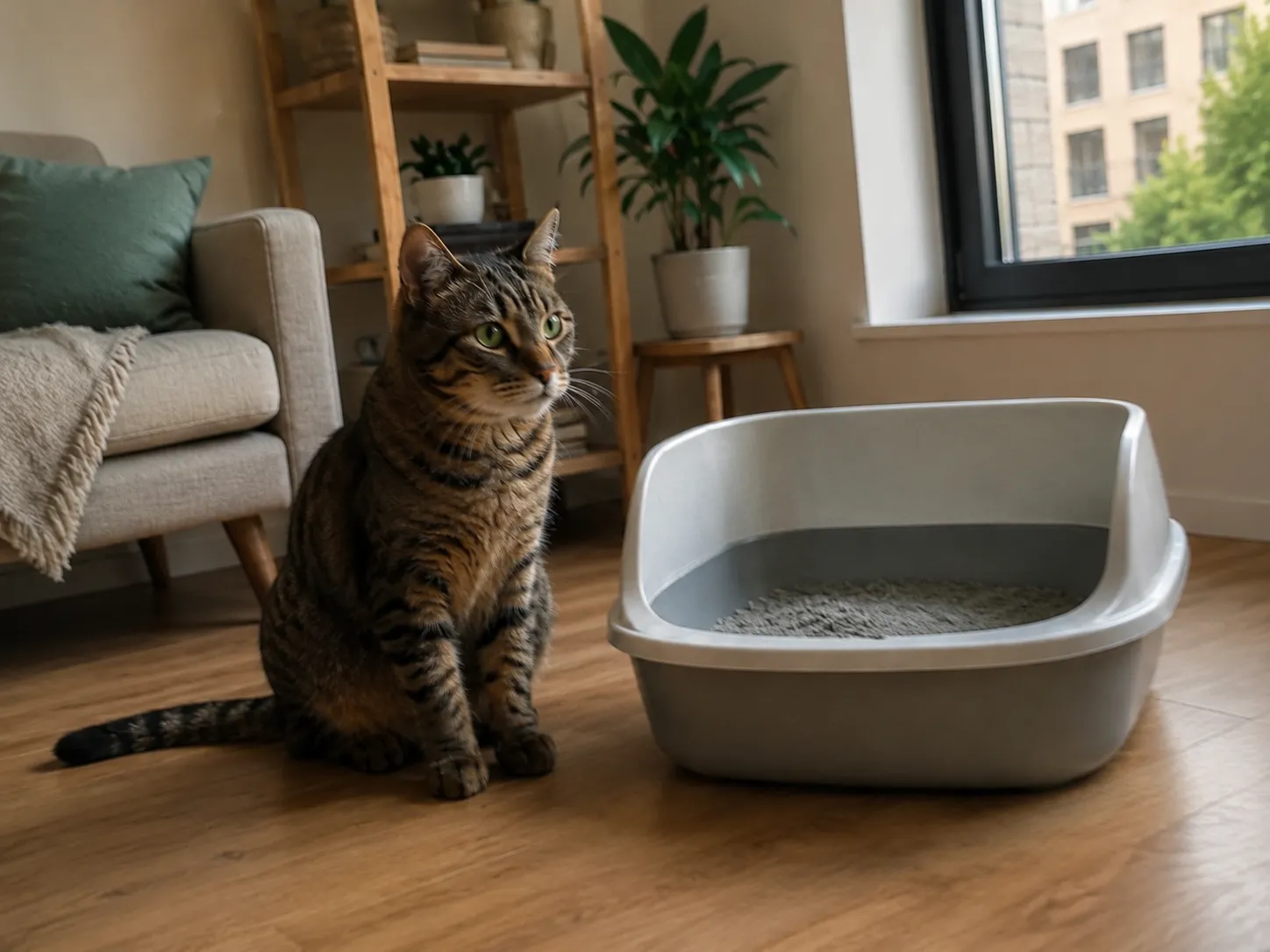
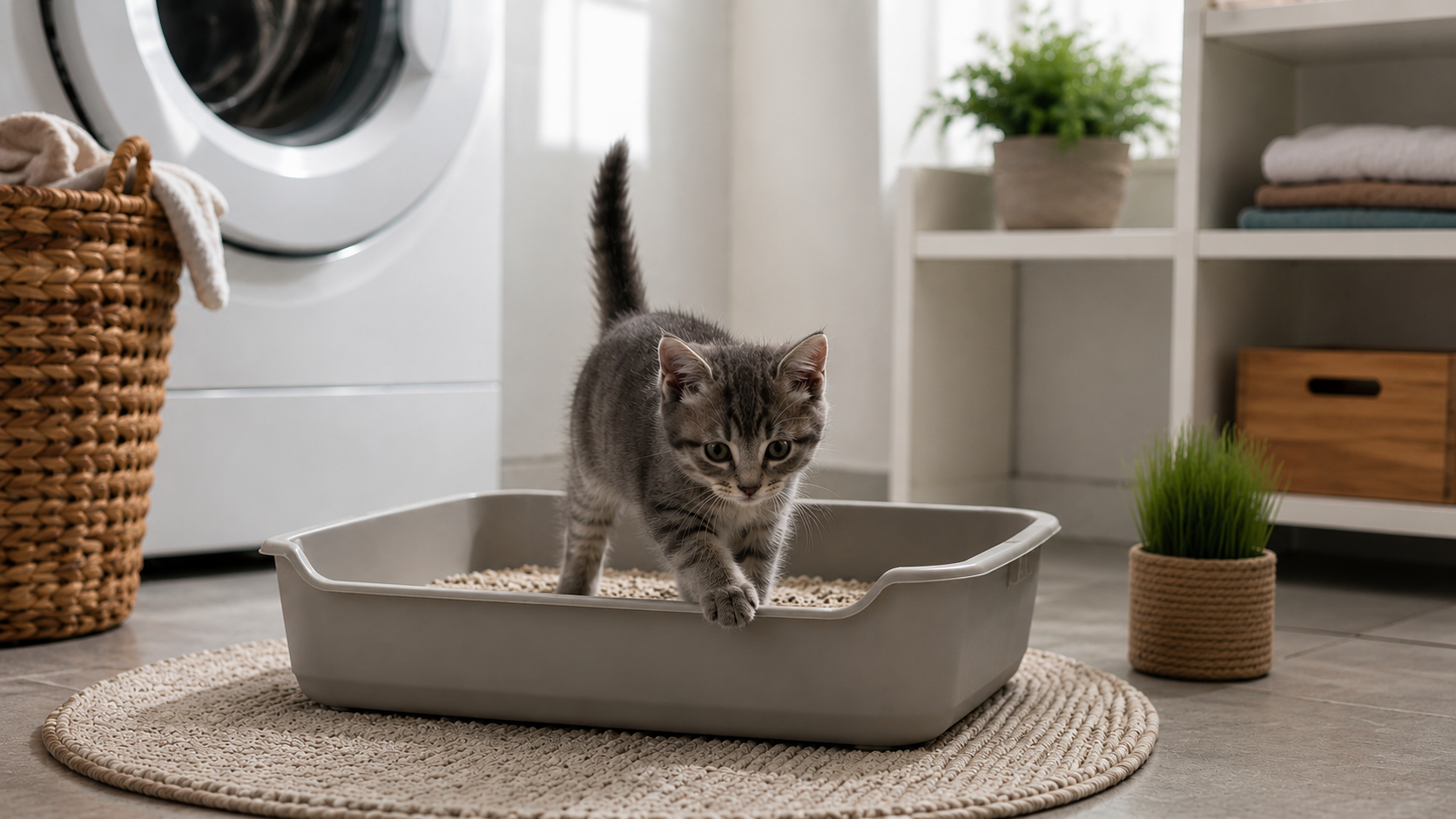
The box. For a kitten, low-sided and open-topped — they need to climb in effortlessly. (You’ll size up to a bigger box as they grow; adult cats need a box about 1.5× their body length.) Skip covered or self-cleaning boxes for now; both can spook a learner.
The litter. Unscented, fine-grained clumping litter feels most natural under paws and makes cleanup trivial. Strong perfumes are for human noses — to a cat they’re a reason to go elsewhere. If smell is your worry, solve it with the right litter and daily scooping — our odor-control litter guide compares what actually works.
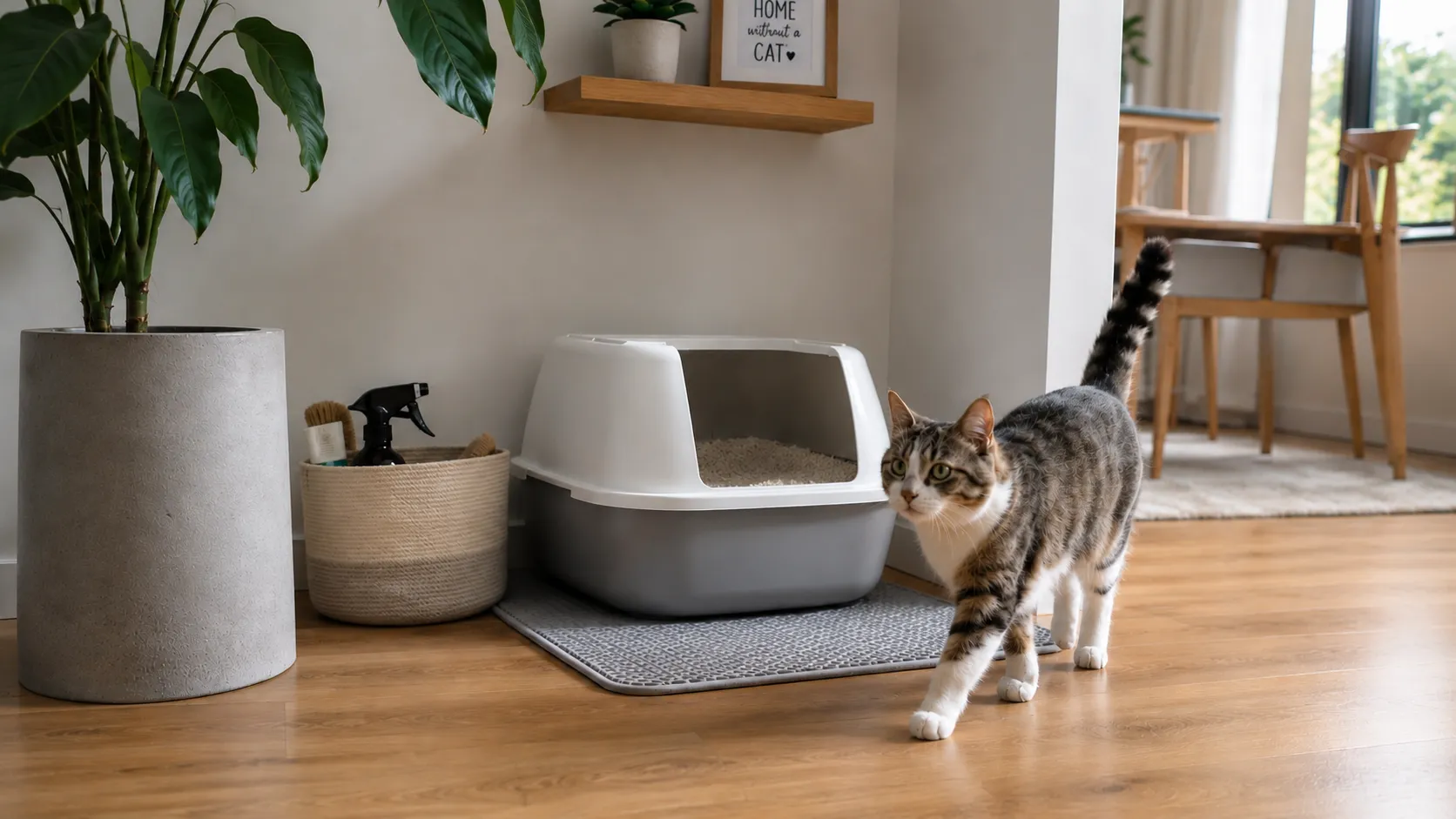
The location. Quiet, low-traffic, easy to reach, and never next to food and water (cats refuse to toilet where they eat — wouldn’t you?). Avoid spots beside washing machines or in busy hallways. In a multi-storey home, one box per floor while training.
The count. The golden rule is one box per cat, plus one. Yes, even for one kitten — options prevent accidents.
Step 2: The introduction routine
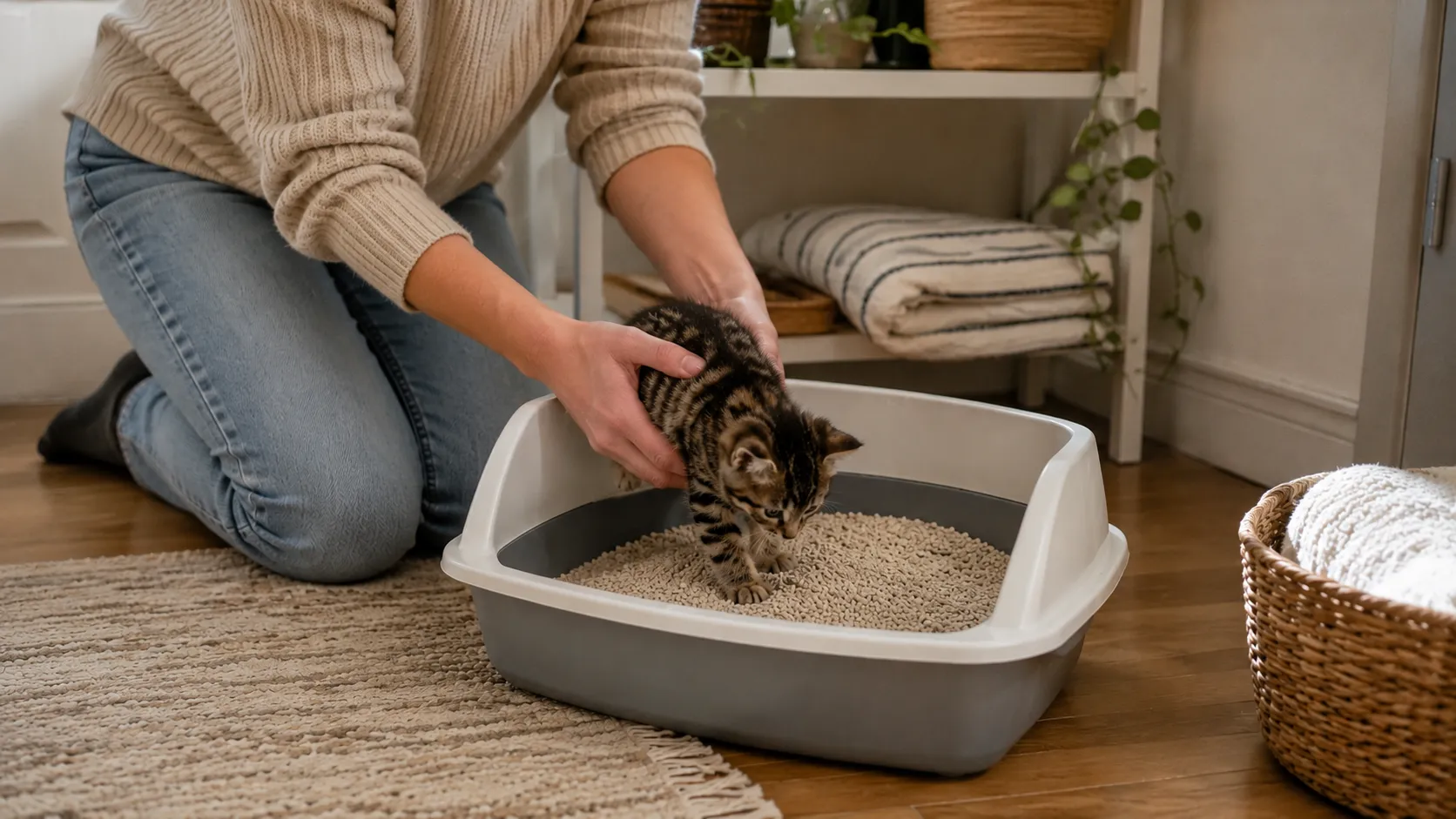
For the first two or three days, gently place your kitten in the box at the moments they’re most likely to need it:
- Right after every meal
- Right after waking from a nap
- Right after a play session
- Any time you see the tell-tale signs — sniffing the floor, circling, crouching, or scratching at the ground
Set them in the box, let them sniff and dig (you can gently scratch the litter with your finger to demonstrate — it feels silly, it works), and if they go: calm, warm praise. That’s it. No pressure, no holding them there.
Step 3: Handle accidents like a pro
Accidents will happen once or twice. What you do next decides whether they keep happening:
- Never punish. No scolding, no nose-pushing (a cruel myth that teaches exactly one thing: hide it better next time). Punishment creates secret soilers, not trained cats.
- Clean with an enzyme cleaner. Ordinary cleaners mask smells from humans, not cats — leftover scent marks the spot as an approved toilet. Enzyme cleaners genuinely erase it.
- Move the evidence. Pop the accident (or the soiled tissue) into the litter box. It signals “this smell belongs here.”
- Repeating in one spot? Put a second box exactly there. Win the location battle first; relocate the box a foot a day later.
Step 4: Keep it trained — maintenance matters
Kittens learn the box in days; keeping perfect habits is about upkeep:
- Scoop daily. The #1 cause of lapses in trained cats is a dirty box. A cat’s nose is roughly 14× more sensitive than yours.
- Full litter change + box wash weekly (mild soap — no bleach or citrus smells).
- Change things gradually. New litter brand? Mix it in over a week. Moving the box? A little each day.
- Sudden accidents in a trained cat = vet call. Urinary infections are common and painful, and a change in litter habits is often the only symptom you’ll see. Rule out health before assuming behavior. If it keeps happening, work through our guide to why a cat stops using the litter box, which covers the medical, box and stress causes in order.
How long does it take to litter train a kitten?
For most kittens, 3 to 7 days. That surprises people who expect weeks of work, but remember what you’re actually doing: you aren’t teaching a new skill, you’re removing the obstacles to an instinct that’s already there.
A realistic timeline:
- Day 1–2: Kitten investigates the box, digs, and usually uses it at least once when placed there after a meal or nap.
- Day 3–4: Going to the box unprompted most of the time. The odd accident is normal, especially if they’re far from the box when the urge hits.
- Day 5–7: Reliably using the box without being placed there. Training is effectively done.
- Week 2–3: Only if the kitten is very young (under 8 weeks), came from a rough start, or the setup needed adjusting partway through.
If it’s taking longer than two weeks, the kitten is almost never the problem. Work back through the setup: is the box too tall to climb into, is the litter scented, is it too close to their food, is it in a busy or scary spot, is there only one box? Fix the setup and the timeline resets quickly.
The fastest approach is the confinement method in Step 1: keep your kitten in one room with the box for the first few days. A kitten that is never more than a few steps from the box simply doesn’t get the chance to have accidents, and the habit forms faster because every single success reinforces it.
New to cats entirely? This is just one piece of the setup puzzle — our first-time cat owner’s checklist covers the rest of week one, from base camp to first vet visit.
Frequently asked questions
How long does it take to litter train a kitten?+
Most kittens are reliably using the box within 3–7 days if the setup is right, because digging and burying is instinctive. Kittens under 8 weeks or rescues with a rough start may take a couple of weeks — patience and a spotless box get them there.
At what age can kittens start litter training?+
Around 3–4 weeks old, as soon as they're mobile and weaning. If you adopt at the typical 8–12 weeks, your kitten has usually already learned the basics from its mother — you're just providing the right setup.
Why is my kitten pooping outside the litter box?+
The usual suspects, in order: box too dirty, box too small or hard to climb into, litter that feels or smells wrong, box in a scary location, or too few boxes. Fix those first. If accidents continue in a previously trained kitten, see a vet to rule out illness.
Can I use scented litter for a kitten?+
Better not to. Perfumed litters are designed for human noses and can actively repel cats, especially learners. Unscented clumping litter plus daily scooping controls odor better than any fragrance.
Should I confine my kitten to one room while litter training?+
It helps enormously. A kitten with whole-house freedom can simply be too far from the box when the urge hits. Start in one room (the 'base camp' method), and expand territory as habits solidify.
The bottom line
Litter training isn’t really training — it’s setup. Low box, plain clumping litter, quiet location, gentle placements after meals and naps, enzyme cleaner for slip-ups, and a daily scoop. Do that and your kitten will be reliably boxed within the week — and you’ll never think about it again, which is exactly how litter boxes should be.
Sources & further reading
This article draws on guidance from these trusted organizations. Always consult your own veterinarian for advice specific to your pet.
Written by
Raghav DeedwaniyaFounder & Editor
Raghav Deedwaniya is the founder and editor of Petifys, and the author behind its pet care content. I’m a lifelong pet owner, not a veterinarian — I’ve been around dogs since childhood, and that hands-on experience is what got me into writing about responsible pet ownership. At Petifys I create practical, easy-to-understand guides, each one carefully researched using trusted sources such as the AVMA, ASPCA and International Cat Care. My aim is to help you make informed everyday decisions — but for anything involving your pet’s health, always consult a qualified veterinarian who can examine your animal in person.
Disclosure: Some links in this article are affiliate links. If you buy through them we may earn a small commission at no extra cost to you. We only recommend products we believe in. Learn more.