What Do Rabbits Eat? A Simple Daily Diet Guide
What do rabbits eat? Hay first, then greens, then a little pellet. A clear daily feeding guide, portion sizes, and the foods that are genuinely dangerous.
On this page
What do rabbits eat? The short answer surprises most new owners: hay, and lots of it. Grass hay should make up around 80 to 90% of everything a rabbit eats, with leafy greens next, and pellets as a small daily extra rather than the main meal.
If that sounds backwards, it is because the classic image of rabbit food, a bowl of colorful mix with a carrot on top, is close to the opposite of a healthy diet. Here is what actually keeps a rabbit well.
The whole diet in one line
Unlimited grass hay, a generous daily handful of leafy greens, a small measured portion of plain pellets, unlimited fresh water, and fruit only as a rare treat.
Why hay comes first
A rabbit’s body is built around constant chewing of tough, fibrous grass, and two things depend on it.
Their teeth never stop growing. Rabbit teeth grow continuously, roughly a couple of millimetres a week. The sideways grinding motion of chewing hay is what wears them down. Without enough hay, teeth overgrow into painful spurs that cut the tongue and cheeks, and dental surgery becomes a recurring expense.
Their gut must keep moving. Fiber keeps the digestive system in constant motion. When fiber runs short, the gut can slow and stop, a condition called GI stasis, which is a genuine emergency and one of the most common ways pet rabbits die.
So hay is not bedding with a snack function. It is the meal.
Practical hay guidance:
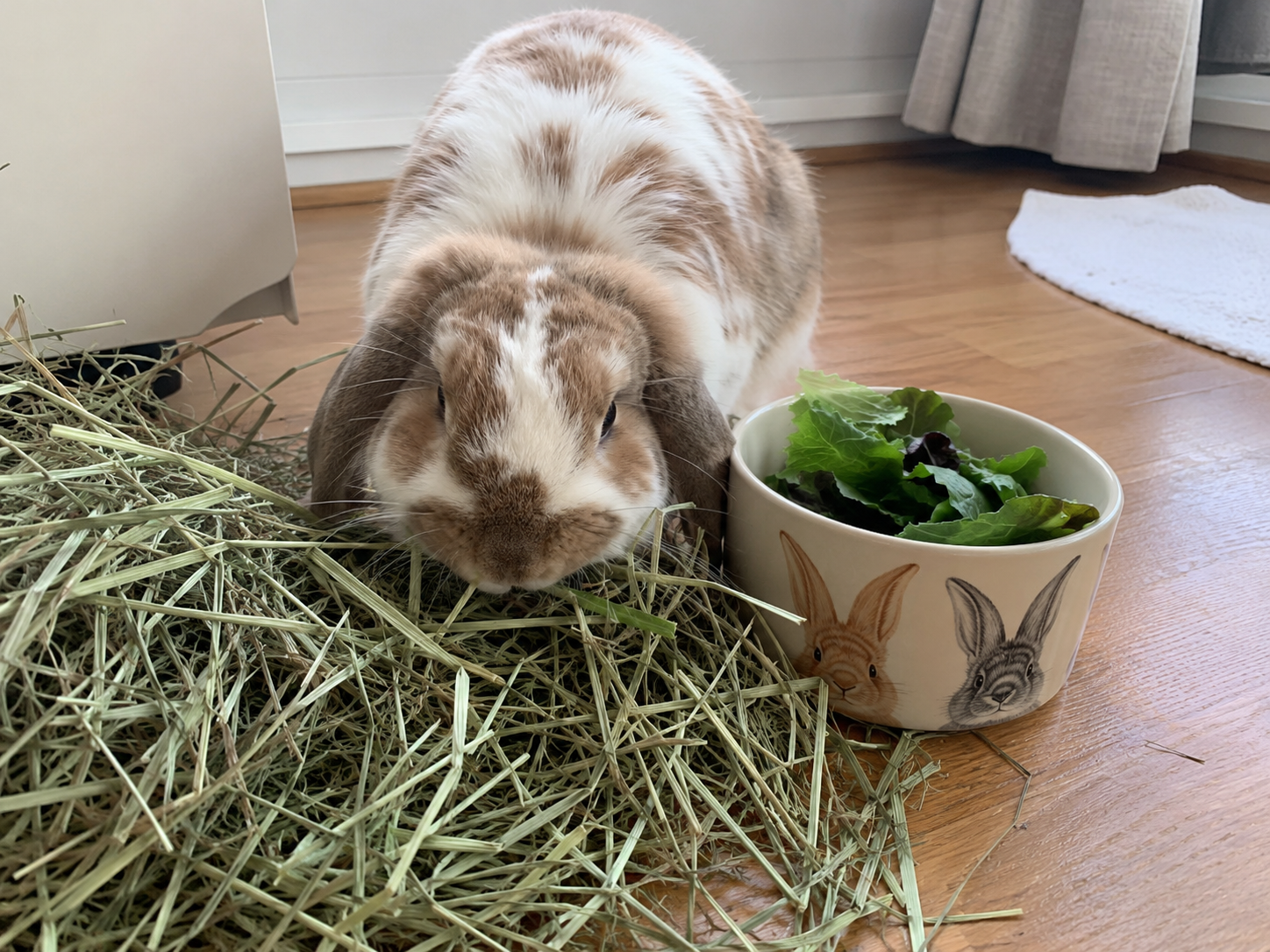
- Offer a pile at least the size of your rabbit, every day, and top it up so it never runs out.
- Good choices: timothy, orchard, meadow or oat hay. Variety is welcome.
- Alfalfa is different. It is rich in calcium and protein, which suits rabbits under about 6 months, pregnant or underweight ones. For a healthy adult it is too rich and contributes to bladder sludge and stones.
- Hay should smell sweet and look green, not dusty, yellow or damp.
- Put it somewhere they like to sit. Many rabbits prefer eating hay in or beside the litter tray, which is normal and convenient.
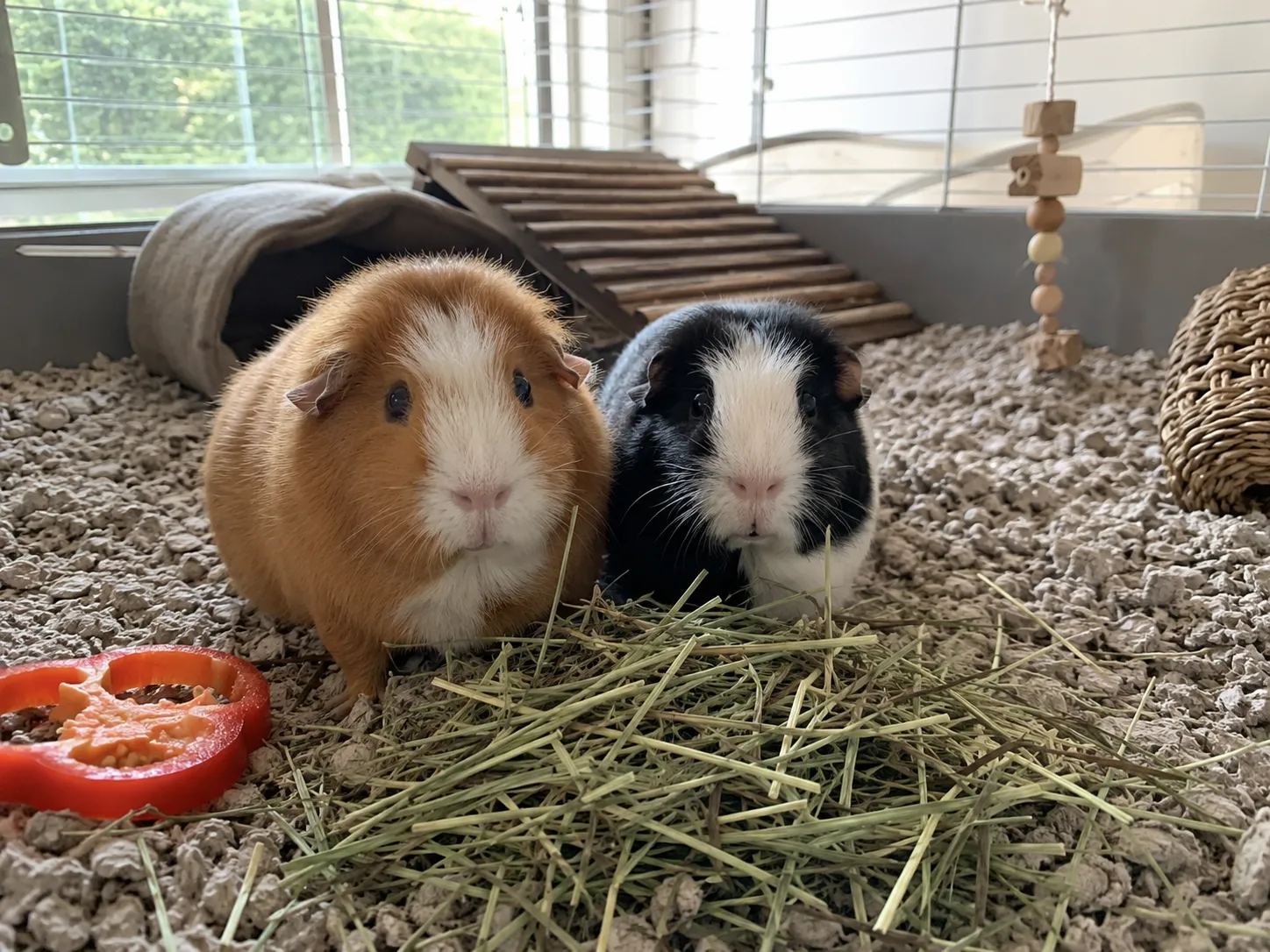
If you also keep guinea pigs, the same grass hay serves both species, as our guinea pig care guide explains.
Fresh greens: the daily handful
After hay, leafy greens are the most valuable part of the diet. A reasonable target is around one packed cup of greens per 2 lb (about 1 kg) of body weight, daily, split across a couple of servings.
Good everyday greens:
- Romaine and other dark leaf lettuces
- Coriander, parsley, basil, mint, dill
- Rocket, watercress
- Spring greens, kale and cabbage in moderation
- Carrot tops (the leafy part, which is far better for them than the root)
- Broccoli leaves, celery leaves
Aim for variety, ideally three or more different greens a day, rather than a mountain of one thing. Introduce anything new slowly, one item at a time over a few days, and watch the droppings. Soft stools mean back off and reintroduce more gradually.
Wash everything, and skip anything wilted or moldy.
Pellets: smaller portion than you think
Pellets are a supplement, not the meal. Too many pellets is one of the most common causes of overweight rabbits and, ironically, dental disease, because a rabbit full of pellets stops eating hay.
- Roughly 1/4 cup of pellets per 5 to 6 lb (2.5 kg) of body weight, daily.
- Choose plain, uniform, timothy-based pellets. Every pellet should look the same.
- Avoid muesli-style mixes with colored bits, seeds, corn and dried fruit. Rabbits selectively eat the sugary pieces and leave the fiber, which causes both dental and gut problems. Welfare organizations have campaigned against these mixes for years.
- Young, growing rabbits can have more. Adults should be measured.
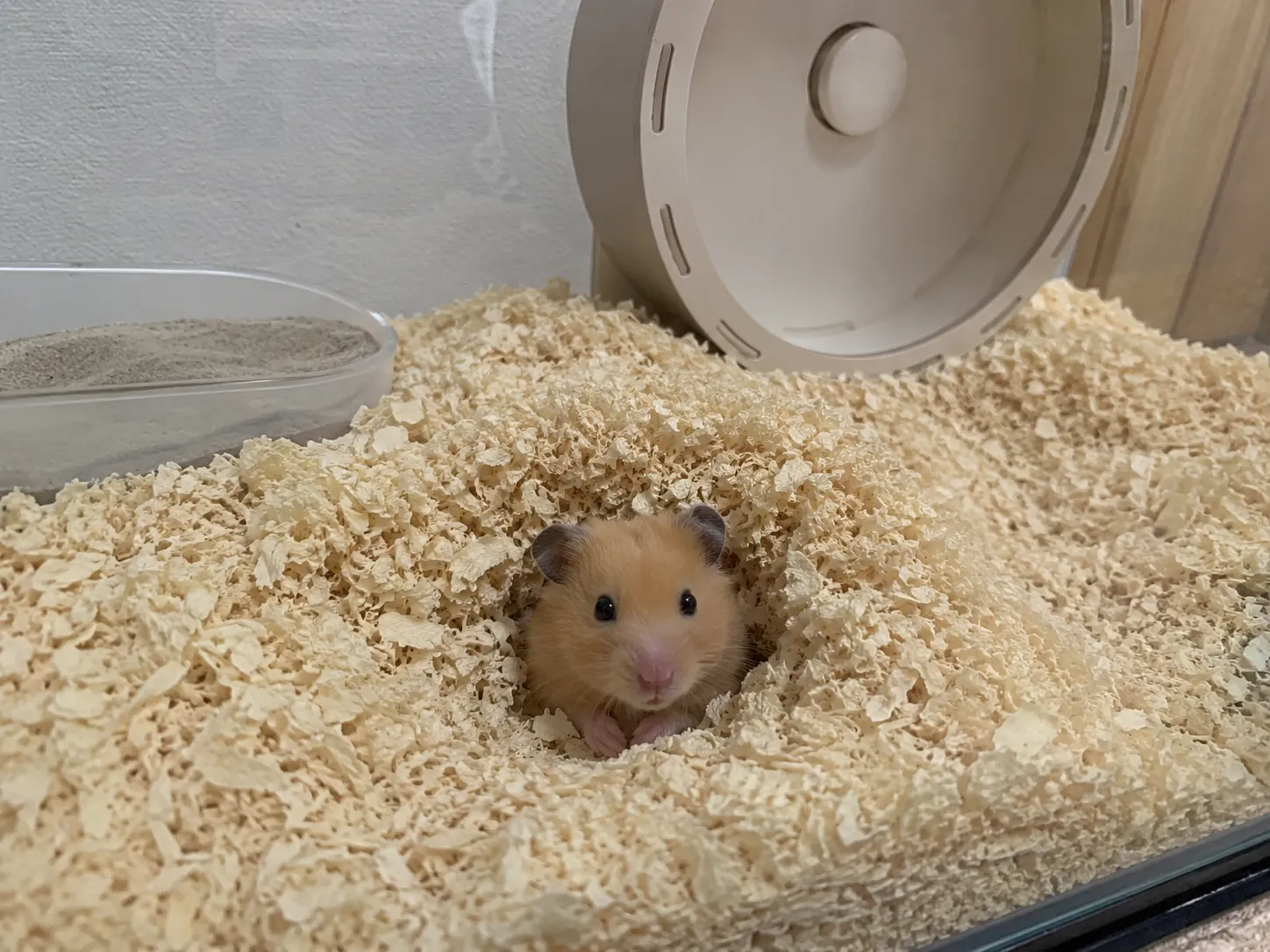
Not all small pets eat this way. Hamsters, for example, are built around seeds and pellets rather than unlimited hay — feeding a hamster a rabbit’s diet (or the reverse) causes real problems. See our hamster care guide if you keep both.
What can rabbits not eat?
Some of these are mildly bad, and some are genuinely dangerous.
Never feed:
- Chocolate, sweets, biscuits, bread, crackers, cereal, pasta
- Avocado (toxic to rabbits)
- Rhubarb and rhubarb leaves
- Onion, garlic, leek, chives
- Potato and potato peel, raw beans
- Iceberg lettuce, which offers almost no nutrition and can cause diarrhea
- Seeds, nuts, corn, peas and most grains
- Meat, eggs, dairy, including yoghurt drops sold for rabbits
- Any plant you cannot positively identify. Many common garden and house plants are toxic, including foxglove, ivy, yew, lily, rhododendron and daffodil bulbs.
Feed rarely and in tiny amounts:
- Fruit such as apple (no seeds), banana, berries or melon. A thumbnail-sized piece a couple of times a week is plenty. Fruit is sugar, and sugar disrupts gut bacteria.
- Carrot root. Yes, really. Carrots are sugary root vegetables, and the cartoon rabbit diet is a myth. Carrot tops are the better half.
A rabbit that stops eating is an emergency
If your rabbit refuses food for more than about 12 hours, or you notice no droppings in the litter tray, contact a vet immediately. GI stasis can become life-threatening within a day. Also treat a hunched posture, teeth grinding, loud tummy gurgling or sudden lethargy as urgent. This article is general guidance, not veterinary advice.
Water, and one strange normal thing
Water should be unlimited and fresh. Most rabbits drink noticeably more from a heavy ceramic bowl than a bottle, because bottles are slow and awkward, and good hydration protects the bladder and kidneys. Offer a bowl, or both.
Now the thing nobody warns new owners about: rabbits eat some of their own droppings, and this is completely normal and necessary. Overnight they produce soft, clustered droppings called caecotrophs, packed with B vitamins and protein, and they eat them directly. If you see your rabbit doing this, nothing is wrong. If you start finding uneaten squashed caecotrophs around the hutch, that often means the diet is too rich in pellets or the rabbit is too overweight to reach, both worth a vet chat.
A simple daily feeding routine
| Time | What to serve |
|---|---|
| Morning | Top up hay to a full fresh pile, half the day’s greens, fresh water |
| Evening | Measured pellet portion, the other half of the greens, more hay |
| Anytime | Hay, always available, never empty |
| 1–2× a week | A thumbnail-sized piece of fruit as a treat |
That is the entire job. Hay in the morning, hay in the evening, hay in between, with greens and a small scoop of pellets around it.
For the rest of rabbit ownership, housing size, litter training, neutering, vaccinations and bonding, see our rabbit care beginner’s guide.
Frequently asked questions
What do rabbits eat every day?+
Unlimited grass hay such as timothy, orchard or meadow hay makes up 80 to 90% of the diet, plus about one packed cup of fresh leafy greens per 2 lb of body weight, a small measured portion of plain pellets (around a quarter cup per 5 to 6 lb), and constant fresh water. Fruit is an occasional treat only.
How much hay does a rabbit need?+
As much as it wants, and it should never run out. A useful visual is a pile at least the size of your rabbit each day. Hay grinds down continuously growing teeth and supplies the fiber that keeps the gut moving, so it is the single most important food a rabbit eats.
Can rabbits eat carrots?+
Only as a rare treat, which surprises most people. Carrot root is a sugary vegetable, and too much sugar upsets gut bacteria and adds weight. Carrot tops, the leafy green part, are much better and can be fed as one of the daily greens.
What foods are poisonous to rabbits?+
Avocado, rhubarb and its leaves, onion, garlic, leeks, chives, raw beans, potato and potato peel, chocolate and sweets, and many common garden plants including foxglove, yew, ivy, lily and daffodil bulbs. Also avoid bread, cereal, seeds, nuts, meat and dairy, and never feed a plant you cannot identify with certainty.
Why shouldn't rabbits eat muesli-style food?+
Because rabbits pick out the sugary, starchy pieces and leave the fibrous ones. That causes selective feeding, which leads to dental disease, obesity and gut problems. Plain uniform timothy-based pellets, where every piece looks identical, prevent this and welfare organizations recommend them instead.
Is it normal for rabbits to eat their own droppings?+
Yes. Rabbits produce soft overnight droppings called caecotrophs that are rich in B vitamins and protein, and eating them is a normal, necessary part of their digestion. Finding lots of uneaten caecotrophs, however, can suggest too many pellets or that the rabbit is overweight, so it is worth mentioning to a vet.
The bottom line
If you remember one thing about what rabbits eat, make it this: hay is the meal, everything else is seasoning. Keep a pile of fresh grass hay available around the clock, add a varied daily handful of leafy greens, measure out a small portion of plain pellets, provide water in a bowl, and treat fruit and carrot as sweets rather than staples.
That single shift, hay first instead of pellets first, prevents most of the dental and digestive problems that send pet rabbits to the vet.
Sources & further reading
This article draws on guidance from these trusted organizations. Always consult your own veterinarian for advice specific to your pet.
Written by
Raghav DeedwaniyaFounder & Editor
Raghav Deedwaniya is the founder and editor of Petifys, and the author behind its pet care content. I’m a lifelong pet owner, not a veterinarian — I’ve been around dogs since childhood, and that hands-on experience is what got me into writing about responsible pet ownership. At Petifys I create practical, easy-to-understand guides, each one carefully researched using trusted sources such as the AVMA, ASPCA and International Cat Care. My aim is to help you make informed everyday decisions — but for anything involving your pet’s health, always consult a qualified veterinarian who can examine your animal in person.
Disclosure: Some links in this article are affiliate links. If you buy through them we may earn a small commission at no extra cost to you. We only recommend products we believe in. Learn more.