Guinea Pig Sounds and What They Mean
A guide to guinea pig sounds and what they mean — wheeking, purring, rumbling, chutting and teeth chattering — plus the noises that signal a problem.
On this page
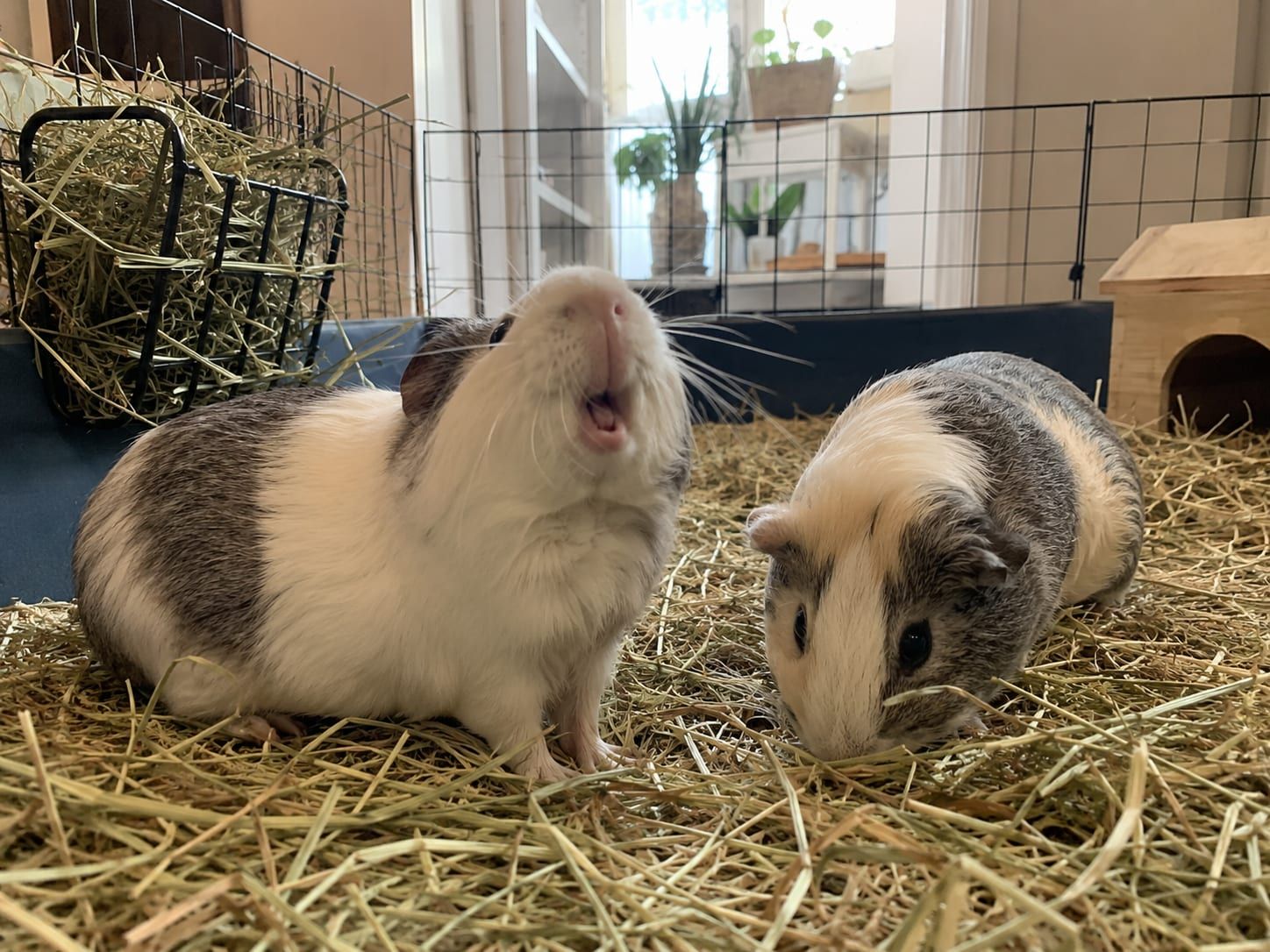
Guinea pigs are one of the chattiest pets you can keep, and once you learn what guinea pig sounds actually mean, a lot of confusing behavior suddenly makes sense. That ear-splitting squeal when you open the fridge, the low grumble when you pick them up, the rapid teeth-clicking between two cage mates — none of it is random. Each one is a specific message.
Here is every common noise, what it means, and — the part most guides skip — which sounds are worth paying real attention to.
The short version
Wheeking means “food, now.” Purring depends entirely on pitch — low and slow is content, high and short is nervous. Rumbling is a mating or dominance sound. Teeth chattering is the one to take seriously: it means back off.
Guinea pig sounds at a glance
| Sound | What it sounds like | What it usually means |
|---|---|---|
| Wheek | Loud, high, drawn-out whistle | “Food is happening and I want in” |
| Purr (low) | Deep, slow, steady rumble | Content, relaxed, enjoying being stroked |
| Purr (high, short) | Higher, clipped, body tense | Uneasy or startled |
| Rumble | Low purr with a swaying strut | Mating or dominance display |
| Chut | Soft, quick, froglike clucking | Calm, happy pottering |
| Chatter | Rapid teeth clicking | Warning — genuinely annoyed |
| Whine | Rising, complaining squeak | “Stop that” — usually to a cage mate |
| Shriek | Piercing, sudden scream | Pain or real fear — check immediately |
| Chirp | Birdlike, repetitive tweeting | Rare and poorly understood |
Why do guinea pigs wheek?
Wheeking is the sound everyone knows: a long, loud, rising whistle that sounds genuinely urgent. It is almost always about food.
What makes wheeking interesting is that it appears to be aimed squarely at humans. It has not been documented in wild cavy populations, which suggests domestic guinea pigs developed it specifically to get our attention — and it works, which is exactly why they keep doing it.
Your guinea pig is not wheeking at the food. They are wheeking at you, and they have learned the cues: the fridge door, the rustle of a produce bag, your footsteps at the time you usually feed them. Many owners find their pigs start wheeking at a consistent hour whether or not anyone is in the kitchen.
Should you feed them when they wheek? Feed on a schedule rather than on demand. Guinea pigs are enthusiastic beggars and will happily talk you into more fresh vegetables than they should have. Keep unlimited hay available at all times, keep veg portions consistent, and let the wheeking be charming rather than persuasive. The beginner’s guide to guinea pig care covers what a sensible daily food routine looks like.
What does it mean when a guinea pig purrs?
Purring is the sound owners misread most often, because the same word covers two almost opposite meanings. The difference is in the pitch and the body.
Low, slow, steady purring with a relaxed, still body is contentment. You will usually hear it while stroking a settled guinea pig. This is the good one.
Higher, shorter, more clipped purring with a tense or frozen body is the opposite — unease. A guinea pig that purrs briefly and then goes rigid is not enjoying the situation. Something startled them, or they want to be put down.
So never read purring on the sound alone. Watch what the body is doing at the same time. A loose, sprawled guinea pig purring softly is happy. A stiff, motionless guinea pig purring in short bursts wants the interaction to end.
Why is my guinea pig rumbling?
Rumbling — sometimes called rumble strutting or “motor-boating” — is a deeper, more mechanical version of a purr, and it comes with unmistakable body language: the guinea pig sways its hips side to side and struts in a slow circle.
This is a mating and dominance display. Boars do it to impress sows. Sows do it when they are in season. And both do it to each other to sort out who is in charge, which is why you will hear plenty of rumbling when two guinea pigs are first introduced.
Rumbling between cage mates is normal and usually resolves on its own within a few days as the hierarchy settles. What you are watching for is escalation: if rumbling turns into raised heads, lunging, chattering teeth, or actual biting, separate them and reintroduce more slowly on neutral ground.
What does chutting mean?
Chutting is a soft, quick, slightly froglike clucking — easy to miss unless the room is quiet. It is the sound of a guinea pig going about its day perfectly happily: exploring the cage, working through a pile of hay, pottering around.
If you hear a lot of chutting, take it as a compliment. It generally means your setup feels safe. Mothers also chut to their pups, and guinea pigs will chut softly to each other as a kind of running commentary while they forage together.
Which guinea pig sounds mean something is wrong?
Most guinea pig noises are conversational. Three are not, and these are the ones worth learning properly.
Teeth chattering. Rapid clicking of the front teeth, often paired with a raised head and a wide-eyed stare. This is a genuine threat display meaning “back off.” Between two guinea pigs it frequently precedes a fight — separate them before it escalates. Directed at you, it means the guinea pig is seriously unhappy about being handled right now, and pushing through it will damage your relationship. Put them down and try again later.
Shrieking. A sudden, piercing scream — completely different from a wheek, and you will know it when you hear it. This signals pain or acute fear. Check immediately for an injury, a trapped foot, a cage mate attacking, or something that frightened them. A guinea pig that shrieks repeatedly, or shrieks when touched in a specific spot, needs to be seen by a vet who treats exotic pets.
Sudden silence. This is the one almost nobody lists, and it matters. Guinea pigs are prey animals and instinctively hide illness. A normally chatty pig that goes quiet, stops wheeking at feeding time, and sits hunched in a corner is showing you one of the earliest signs that something is wrong — often before any other symptom appears.
When to call a vet
Guinea pigs hide illness well and can deteriorate quickly, particularly if they stop eating. Repeated shrieking, a hunched posture, or a guinea pig that stops eating and goes silent all warrant a call to a vet experienced with small exotic pets — the same day rather than the next. This article explains what the sounds mean; it is not a substitute for a proper examination.
What about chirping?
Chirping is the strange one. It sounds startlingly like a bird — a repetitive, high tweeting that can go on for several minutes, often with the guinea pig standing completely frozen while cage mates freeze too.
It is genuinely rare. Many owners keep guinea pigs for years and never hear it, and there is no firm consensus on what it means. Suggestions range from stress to grief to a leftover alarm response. Since nobody can say for certain, the honest answer is that it is unexplained. If it happens, check that everyone is healthy and that nothing in the environment has changed — and enjoy having witnessed something most owners never do.
How to respond to what you hear
Learning the sounds is only half of it. The practical part is adjusting what you do:
- Feed on a schedule, not on demand. Wheeking is persuasive by design. Fixed portions keep weight sensible.
- Check the body, not just the sound. Purring means opposite things depending on posture. This single habit prevents most misreadings.
- Treat chattering as a stop sign. Whether aimed at you or a cage mate, respond to it rather than pushing through.
- Track what “normal” sounds like for your pig. Individuals vary a lot. The useful signal is a change from their baseline — and it is usually a drop in noise, not an increase.
- Get the environment right first. Most stress noises trace back to setup: not enough space, no hideout, a cage in a loud room, or an unhappy pairing.
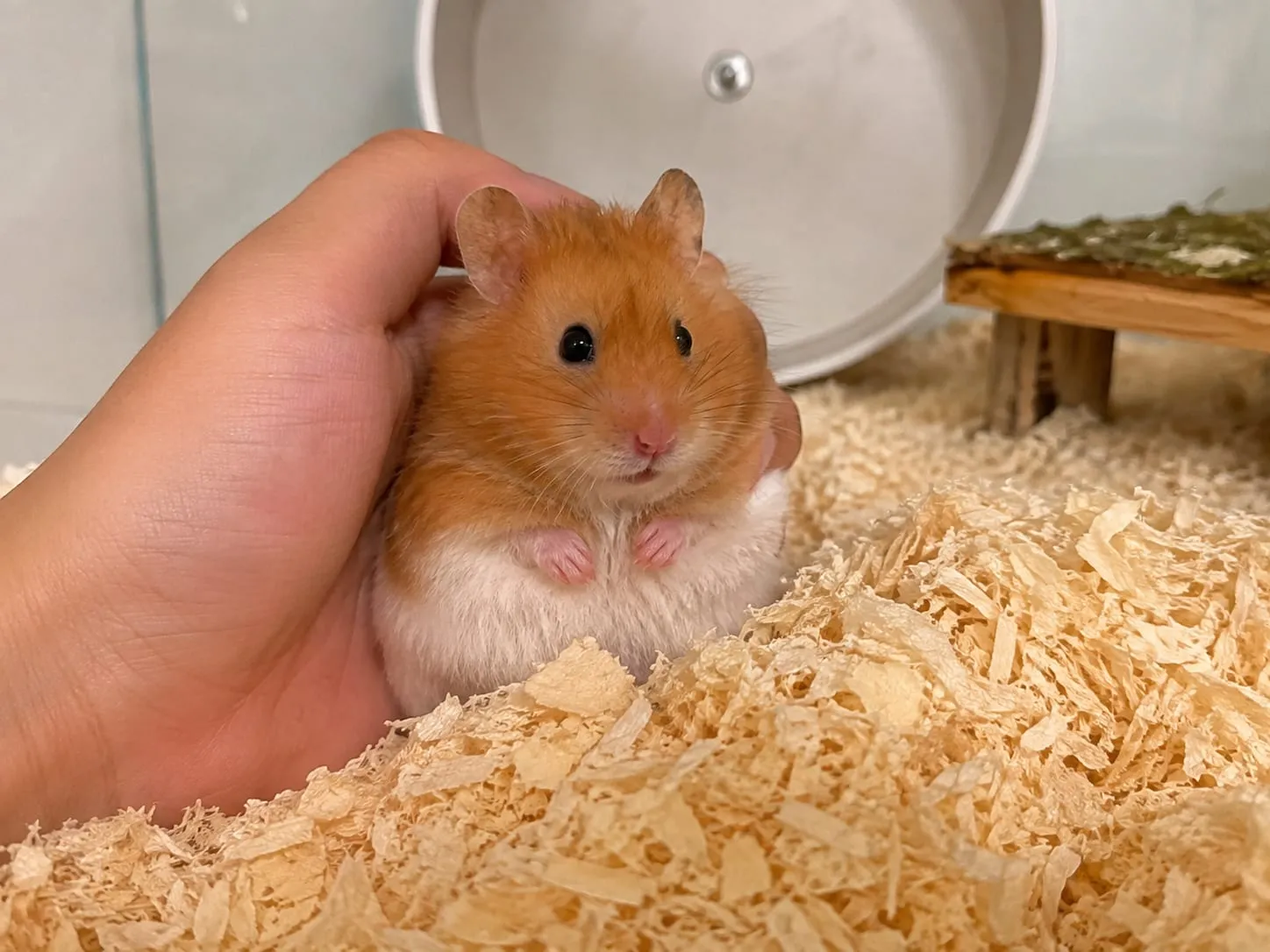
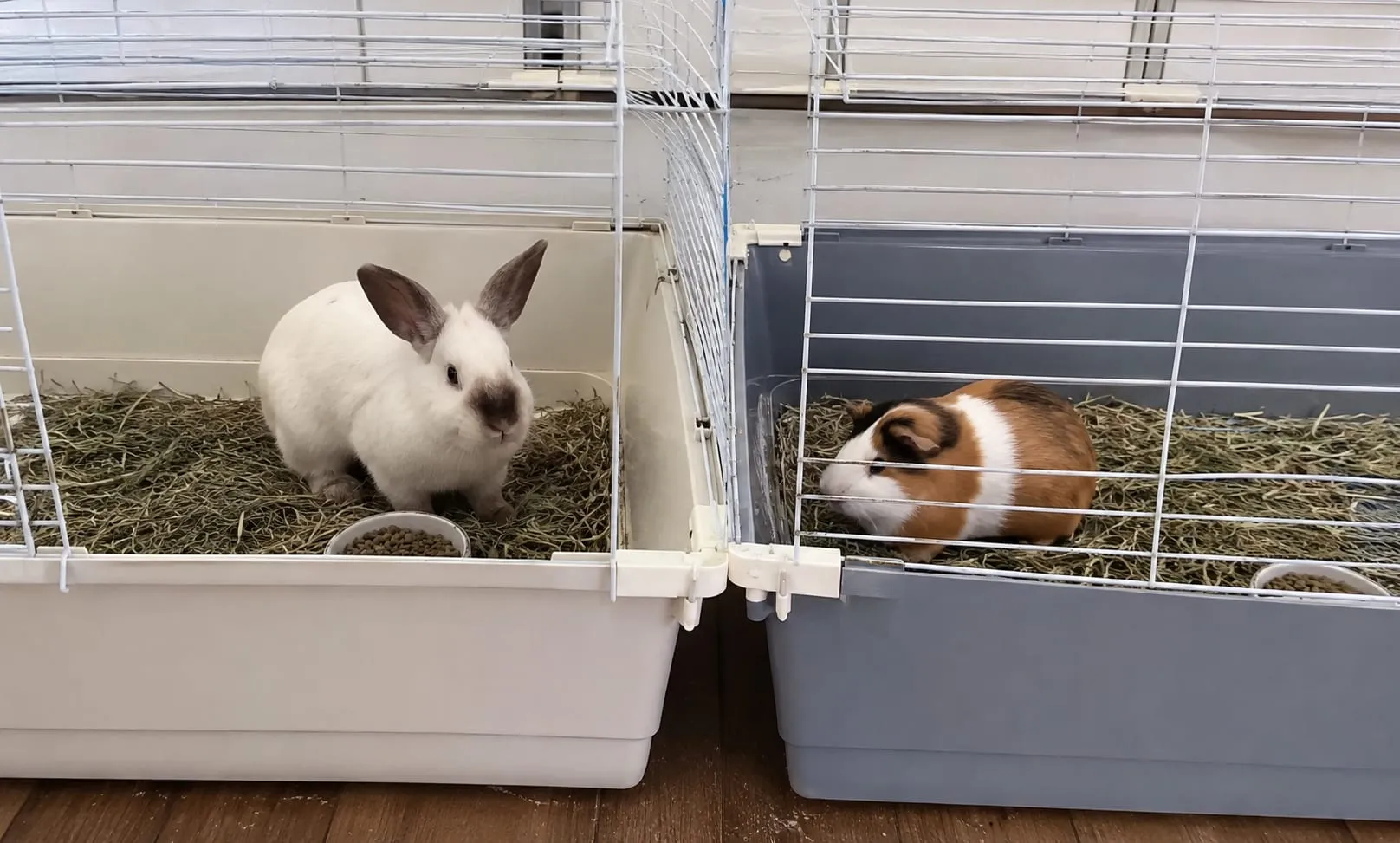
If you are still setting things up, the guinea pig care guide for beginners covers housing, hay, vitamin C and daily routine. Thinking about a different small pet? Compare the commitment against caring for a hamster or keeping a rabbit — guinea pigs are far more vocal than either, which some people love and others find surprising.
The bottom line
Guinea pig sounds are a real communication system, and it takes about a week of attention to become fluent. Wheeking is about food. Purring depends on pitch and posture. Rumbling is social ranking. Chutting means all is well. Chattering means stop.
The most valuable habit is not memorizing the list — it is knowing what your own guinea pig normally sounds like. Because when a chatty pig goes quiet, that silence tells you more than any noise on this page.
Frequently asked questions
What does it mean when a guinea pig wheeks?+
Wheeking is a loud, high-pitched whistle that almost always means your guinea pig wants food. It appears to have developed specifically to communicate with humans — it has not been documented in wild cavies. Guinea pigs learn cues like the fridge opening or a bag rustling and will wheek in anticipation. Feed on a consistent schedule rather than in response to the noise, or portions creep up quickly.
Why does my guinea pig purr when I pet him?+
It depends on pitch and body language. A low, slow, steady purr with a relaxed body means your guinea pig is content and enjoying the contact. A higher, shorter, clipped purr with a tense or frozen body means the opposite — they are uneasy and would like to be put down. Always read the body alongside the sound.
What does it mean when guinea pigs chatter their teeth?+
Teeth chattering is a warning. It is a rapid clicking of the front teeth, usually with a raised head and a fixed stare, and it means 'back off.' Between two guinea pigs it often comes right before a fight, so separate them. Aimed at you, it means they are genuinely unhappy about being handled — put them down and try again later rather than pushing through it.
Why is my guinea pig rumbling and walking funny?+
That combination is rumble strutting: a low, motor-like rumble paired with hip swaying and a slow strut. It is a mating and dominance display. Boars do it to impress sows, sows do it when in season, and both use it to establish hierarchy. It is normal when guinea pigs are getting to know each other and usually settles within days, but separate them if it escalates to lunging or biting.
Should I be worried if my guinea pig is silent?+
Yes, this is worth attention. Guinea pigs are prey animals and instinctively hide illness. A normally vocal guinea pig that stops wheeking at feeding time, goes quiet and sits hunched is often showing one of the earliest signs of a problem — sometimes before any other symptom. If they have also stopped eating, contact a vet who treats exotic pets the same day.
Do guinea pigs make noise at night?+
Yes. Guinea pigs are crepuscular, meaning they are most active around dawn and dusk, and they do not sleep in one long block. Expect chutting, rustling and the occasional wheek during the night. If the noise is disruptive, move the cage out of the bedroom rather than trying to change their rhythm.
Why does my guinea pig squeal when I pick him up?+
A short complaining squeak usually just means they would rather not be picked up right now — most guinea pigs dislike being lifted even when they are comfortable with people. A sudden piercing shriek is different and signals pain or fear: check for an injury or a sore spot, and see a vet if it happens repeatedly or when you touch a particular area.
How many different sounds do guinea pigs make?+
Most owners will encounter around eight to ten distinct sounds regularly: wheeking, purring, rumbling, chutting, chattering, whining, shrieking and occasionally chirping. Individual guinea pigs vary a lot in how talkative they are, so the useful thing is learning your own pet's normal range rather than expecting every sound on a list.
Sources & further reading
This article draws on guidance from these trusted organizations. Always consult your own veterinarian for advice specific to your pet.
Written by
Raghav DeedwaniyaFounder & Editor
Raghav Deedwaniya is the founder and editor of Petifys, and the author behind its pet care content. I’m a lifelong pet owner, not a veterinarian — I’ve been around dogs since childhood, and that hands-on experience is what got me into writing about responsible pet ownership. At Petifys I create practical, easy-to-understand guides, each one carefully researched using trusted sources such as the AVMA, ASPCA and International Cat Care. My aim is to help you make informed everyday decisions — but for anything involving your pet’s health, always consult a qualified veterinarian who can examine your animal in person.
Disclosure: Some links in this article are affiliate links. If you buy through them we may earn a small commission at no extra cost to you. We only recommend products we believe in. Learn more.